As Southwest prepared for major operational changes, including a transition to assigned seating and redesigned lobby flows, they needed a way to test ideas that were too interconnected to evaluate with clickable prototypes or slide decks. These weren't isolated tweaks; they involved multiple systems and roles changing at once.The experience design team needed to test and refine with both customers and employees, socialize concepts across working groups, and get executive alignment before anything was built. They also needed something harder to measure—confidence that the changes still felt like Southwest. That they still had heart.All of this had to happen without drilling into airport travertine or closing gates for construction. They needed certainty that new systems would work for customers and for the people on the ground and in the sky.
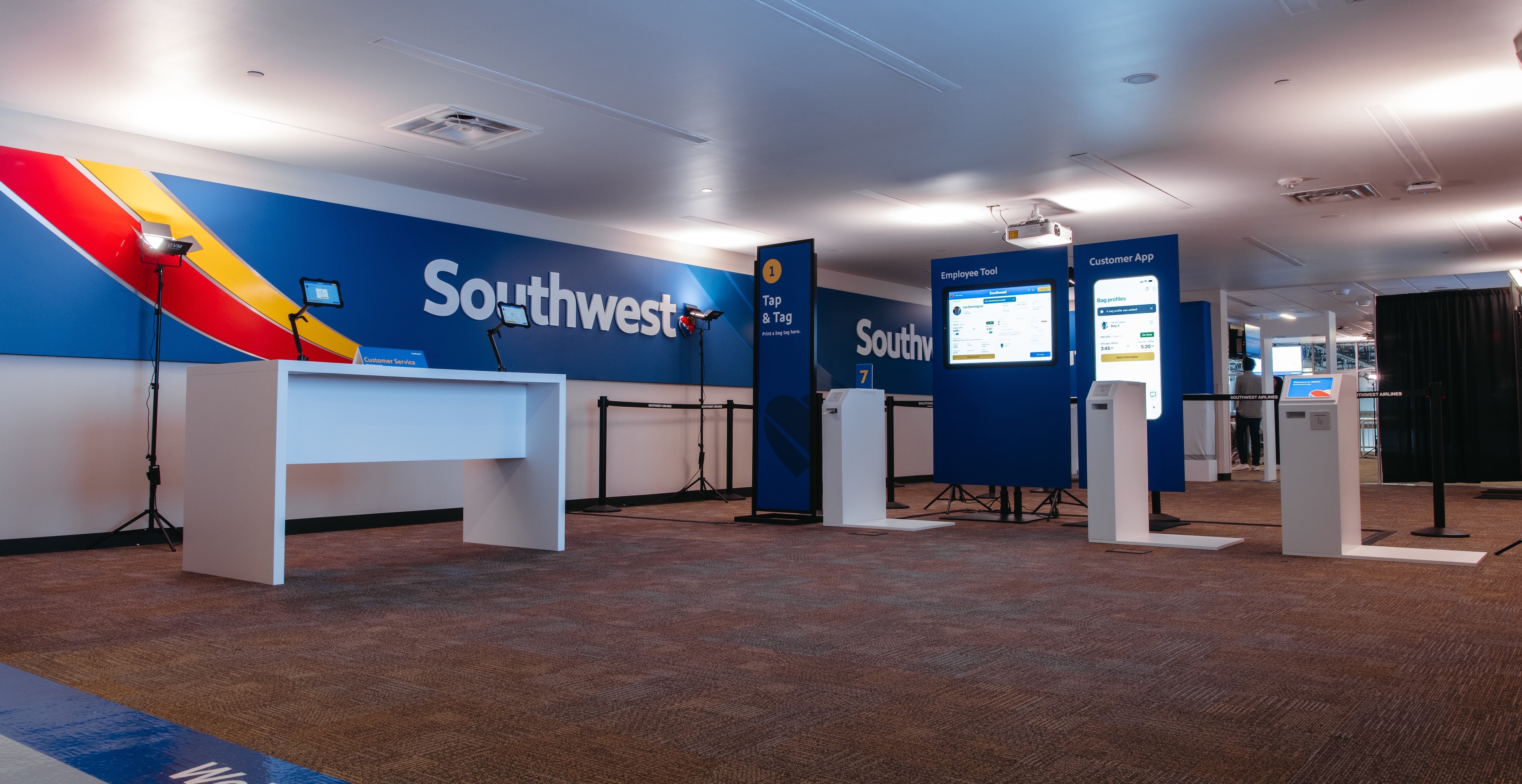
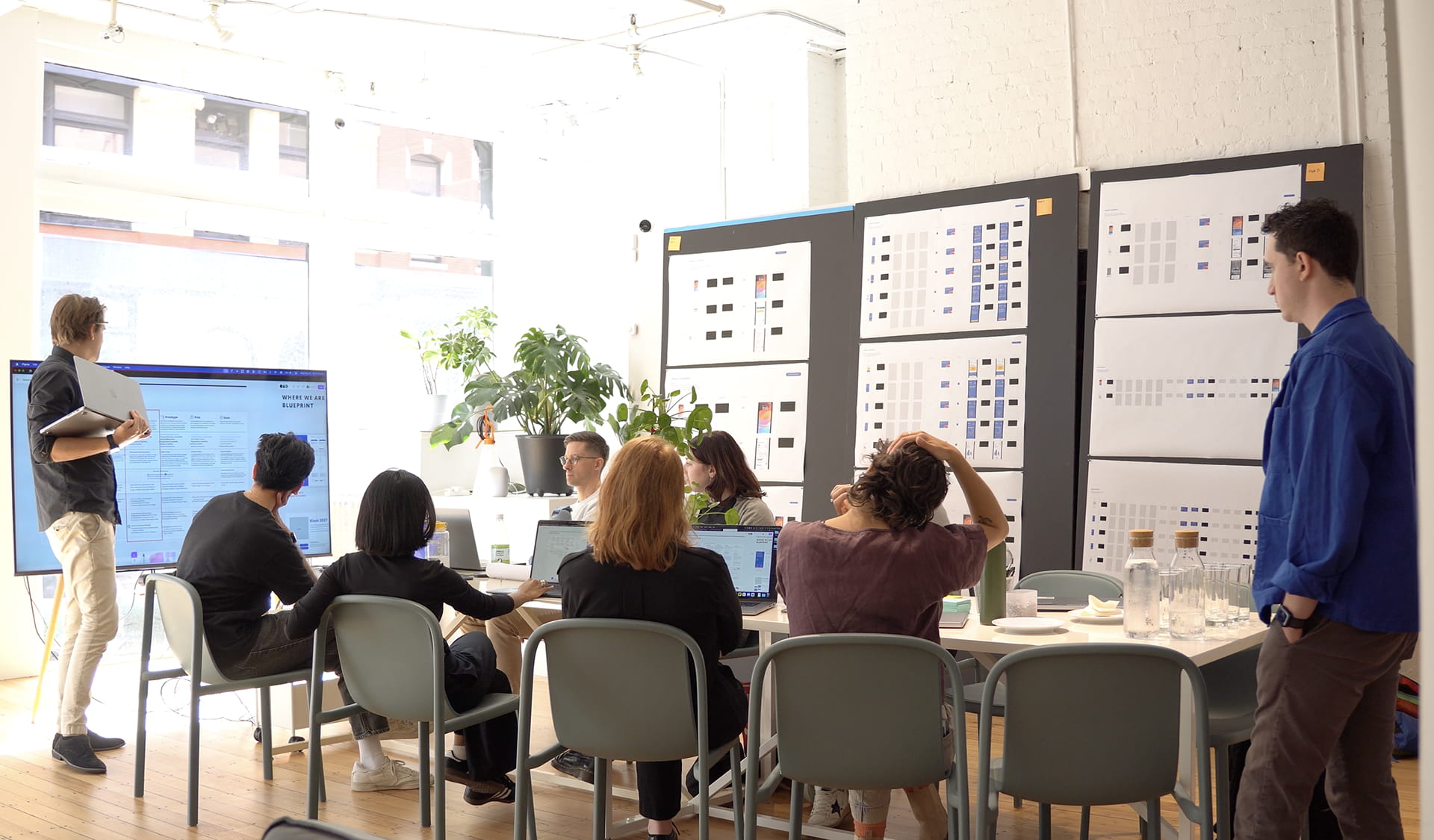
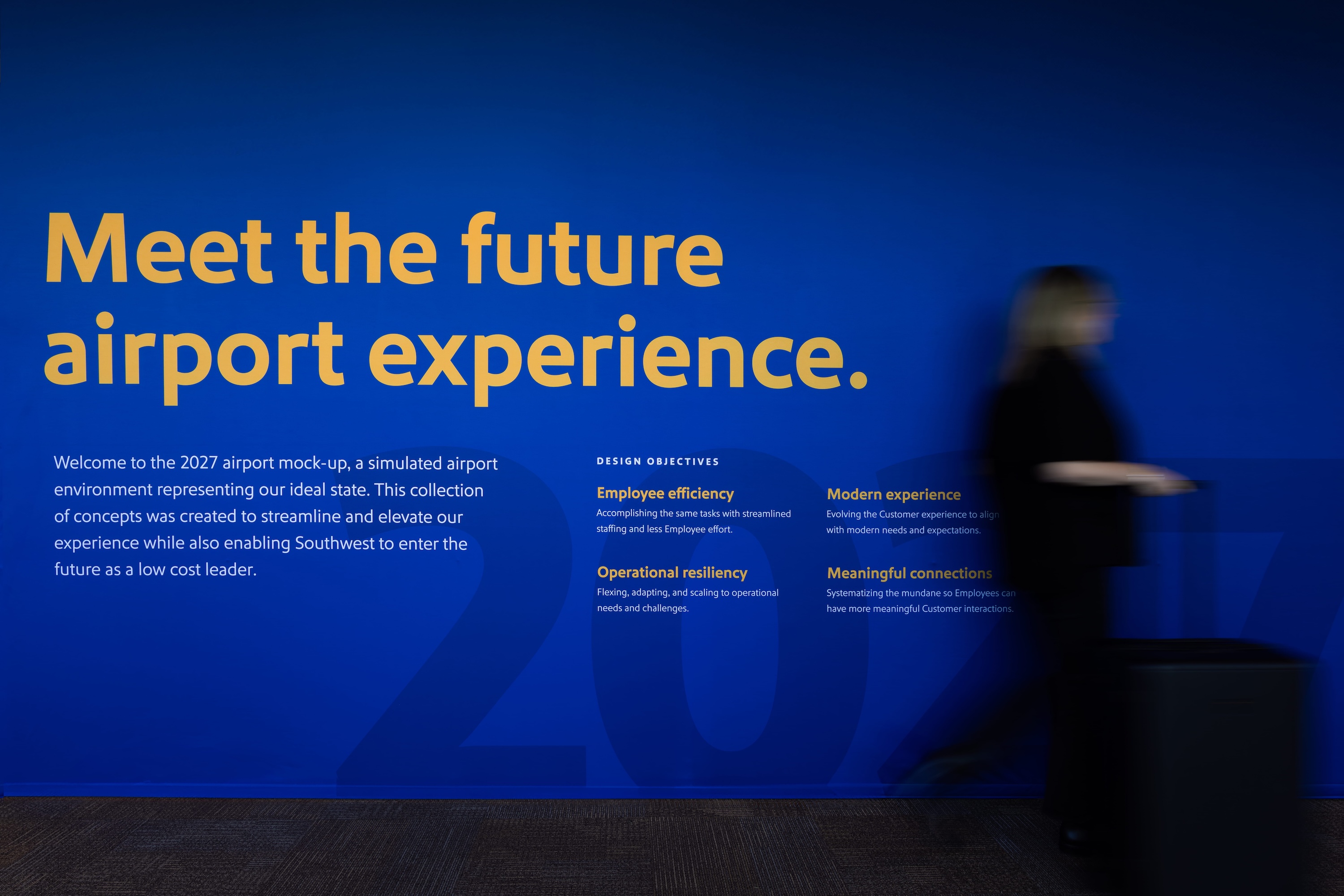
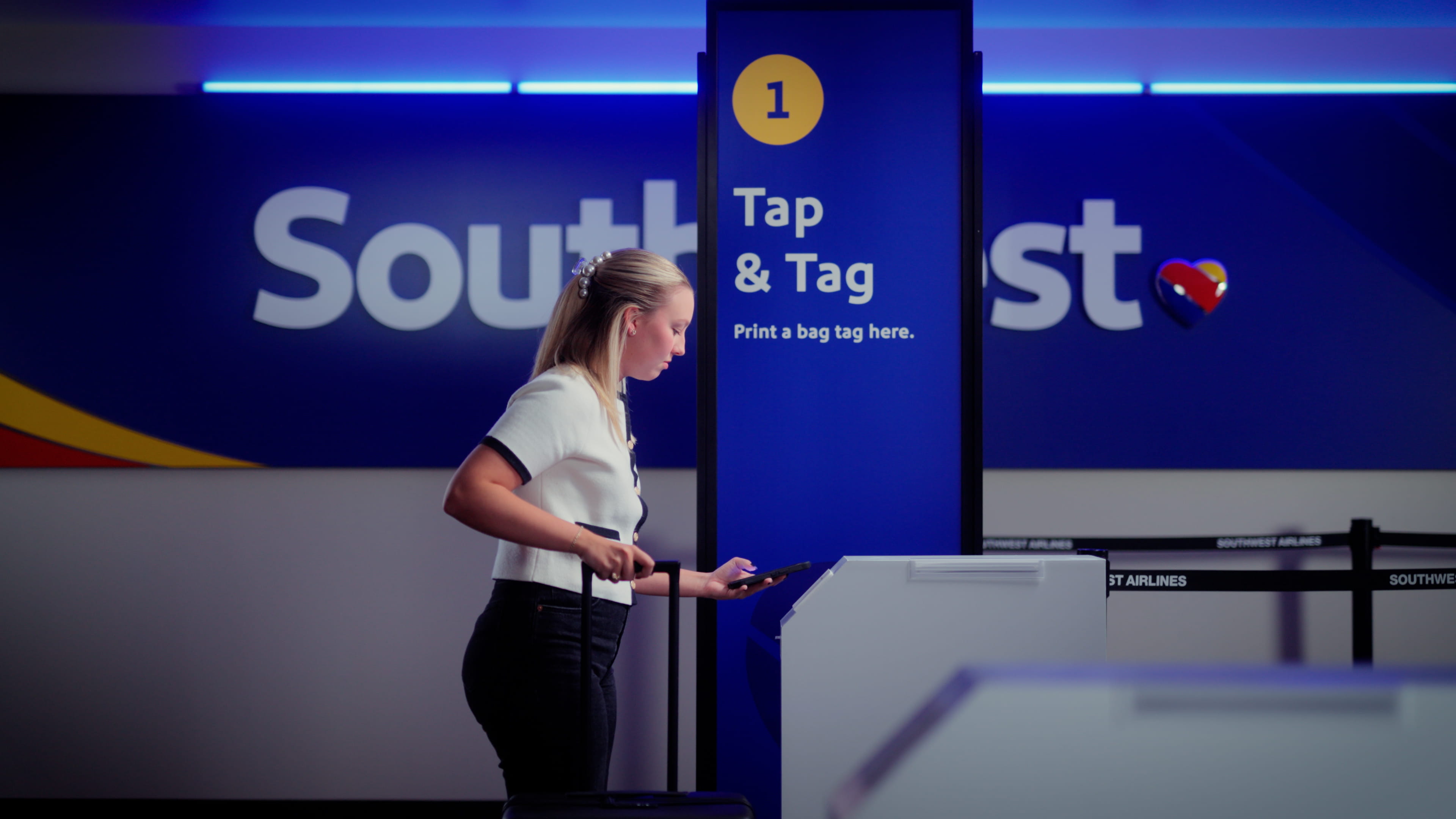
We believe that meaningful transformation happens when you stop making presentations and start building. To simulate the complexity of Southwest’s operating environment, we designed and fabricated a full-scale, immersive, test environment that looked and felt like a real airport.
Low-Res, High-Impact
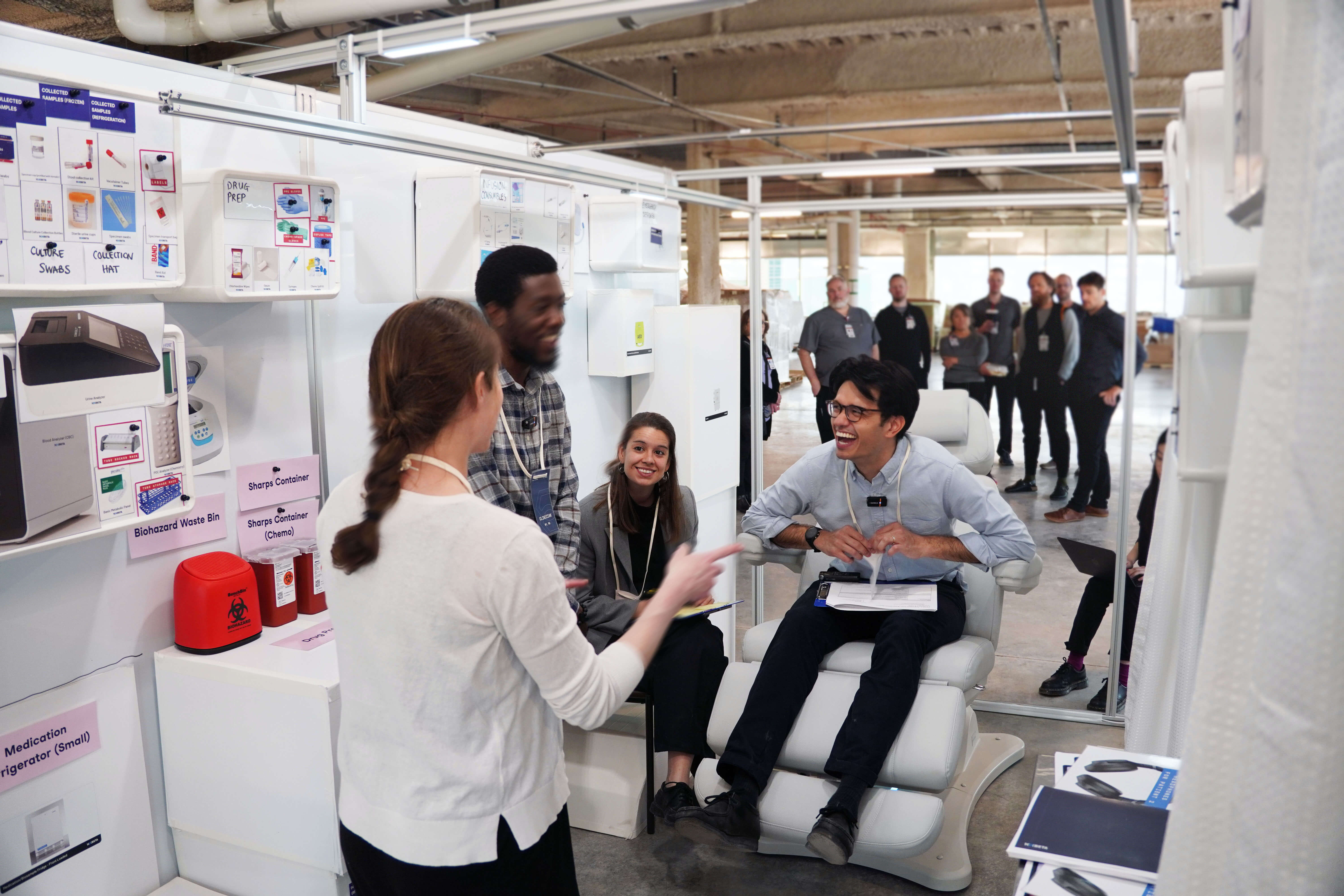
We built entire airport environments using foam core, hot glue, and cardboard boxes.These prototypes were loaded onto trucks in our Boston studio and unloaded in Dallas, creating a functional testing ground inexpensively and quickly.
The Wizard of Oz
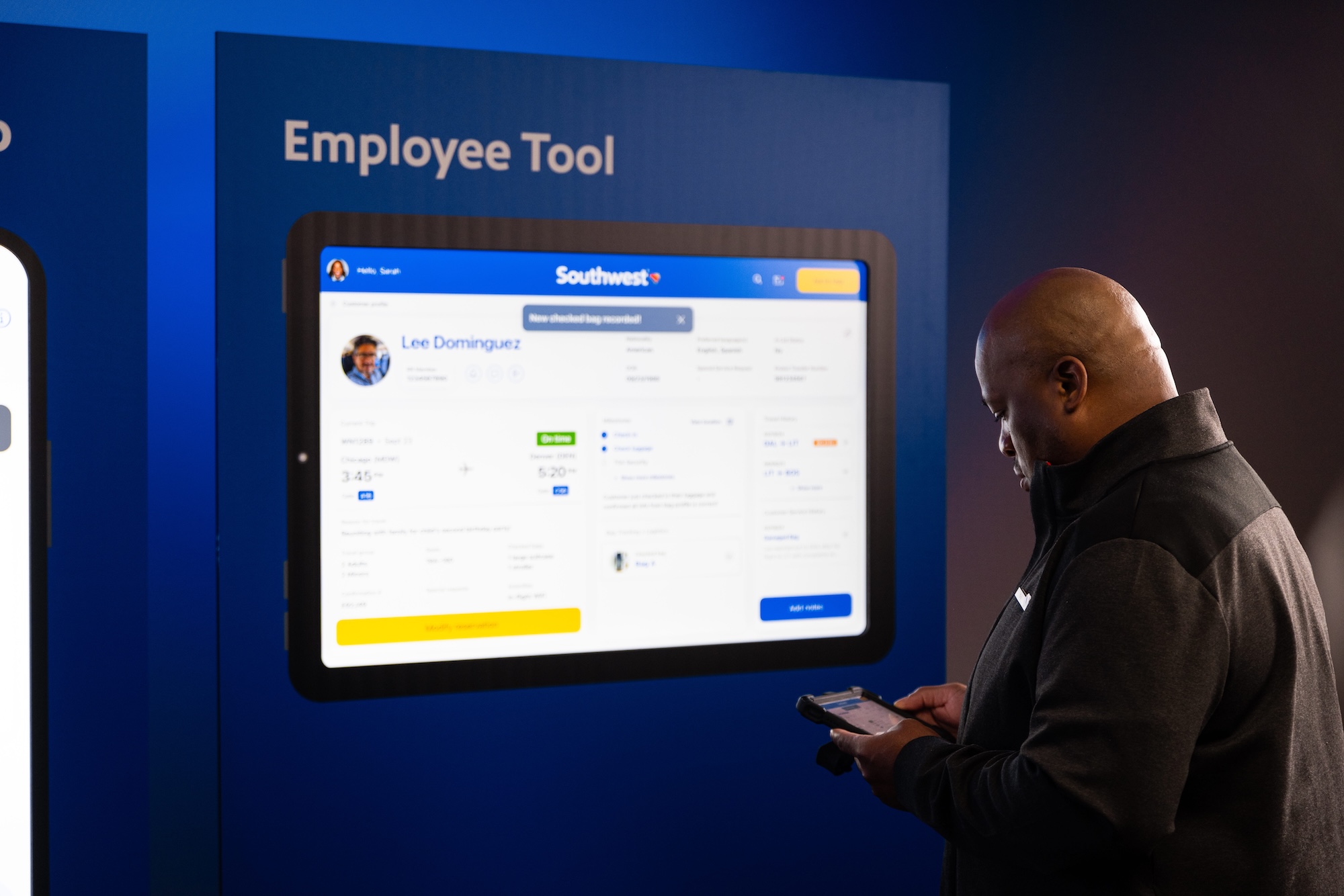
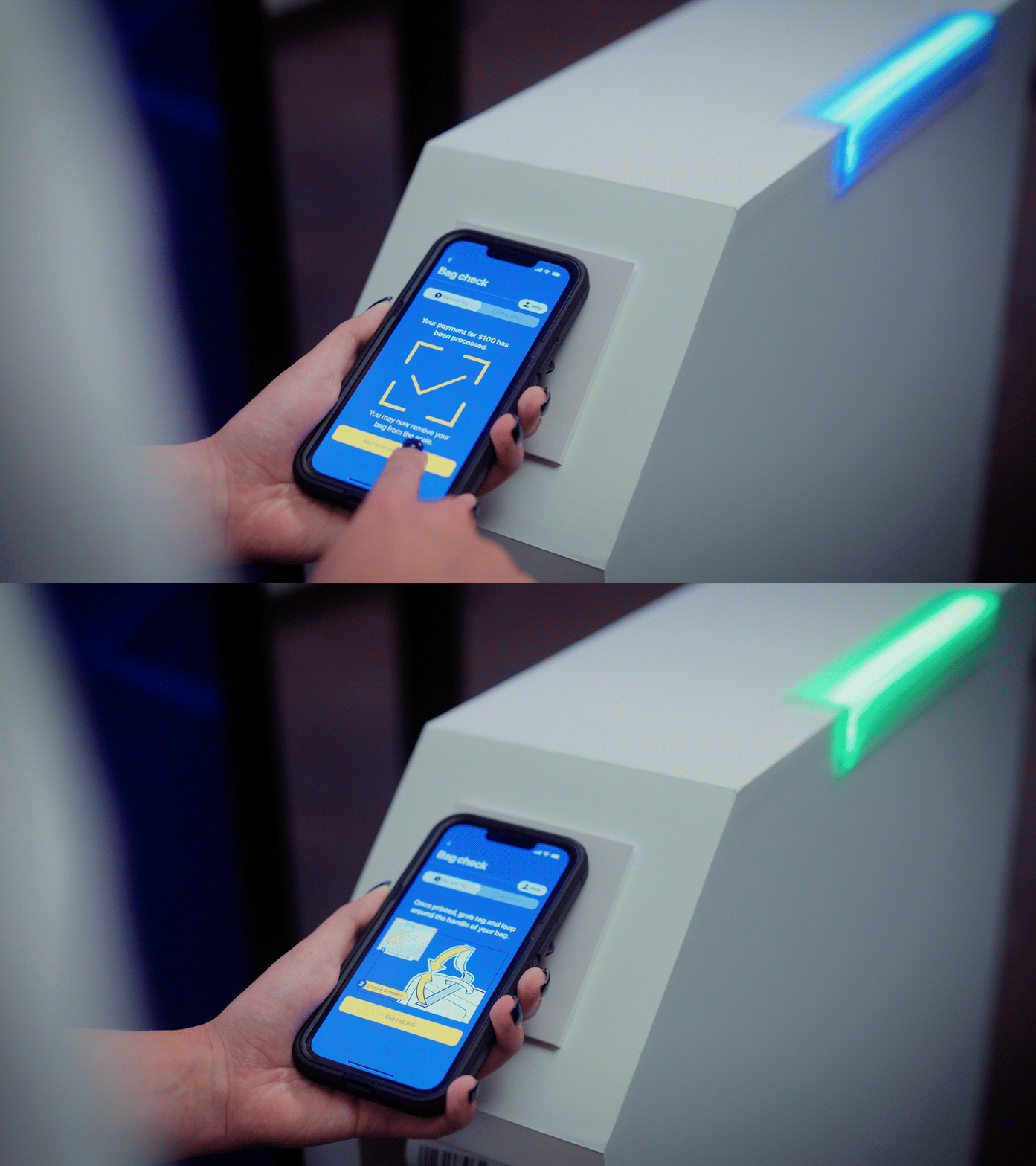
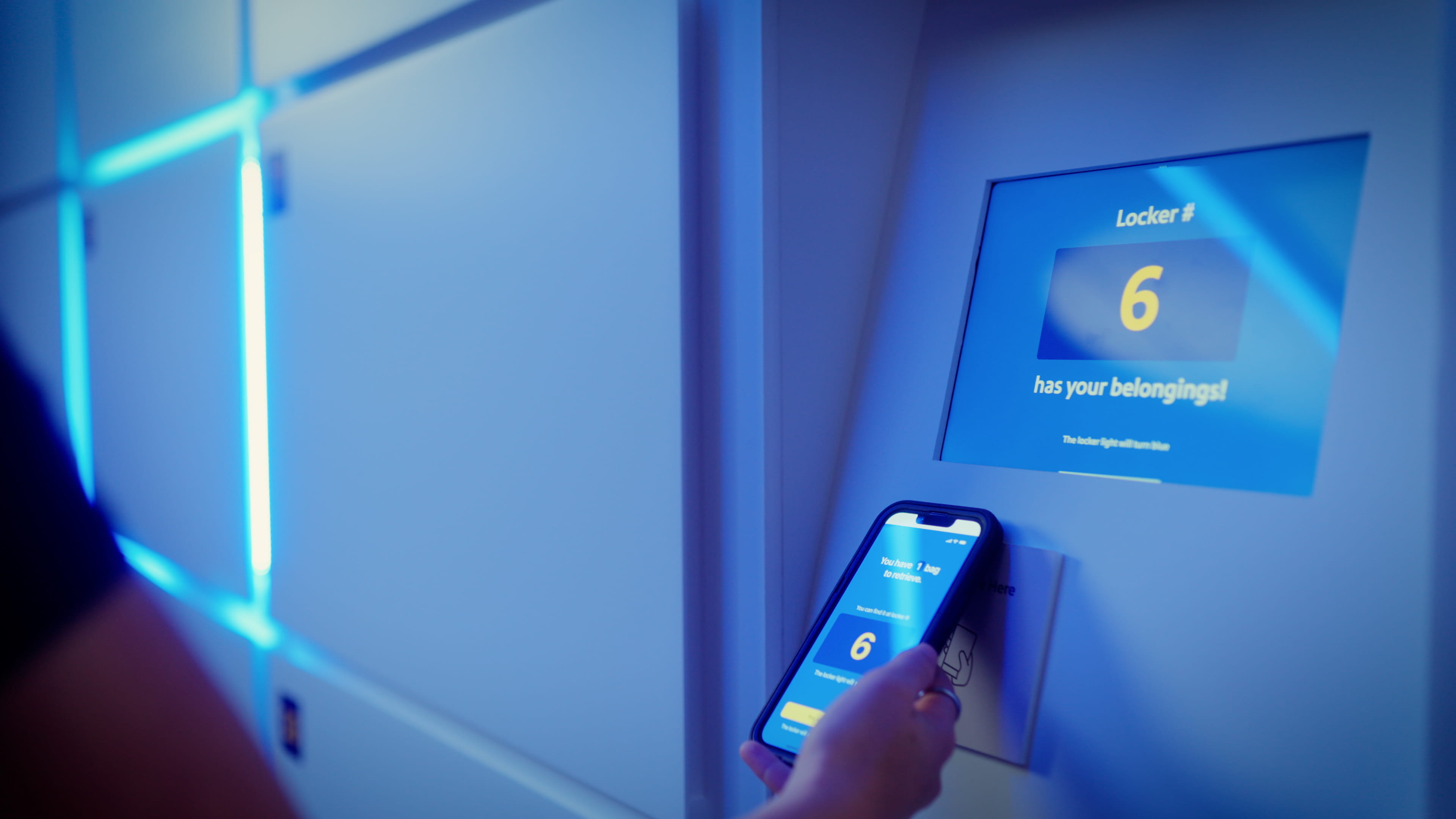
To make the space feel real, we used a centralized controller to sync every screen, iPad, light, and sound.While the screens showed simple JPEGs, the synchronized feedback created a "magical moment" for users that elicited genuine emotional responses without expensive development teams.
Testing Under Pressure
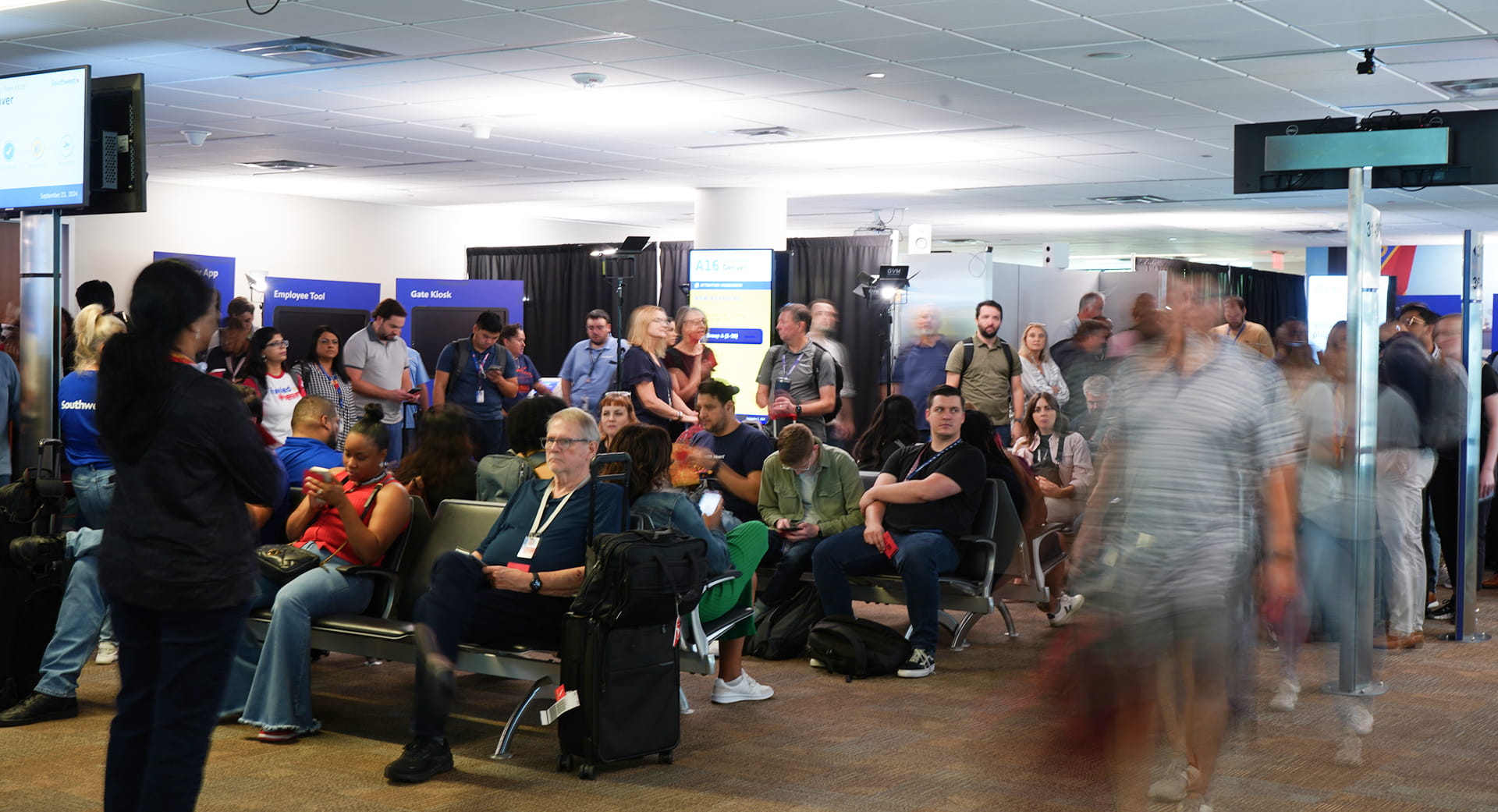
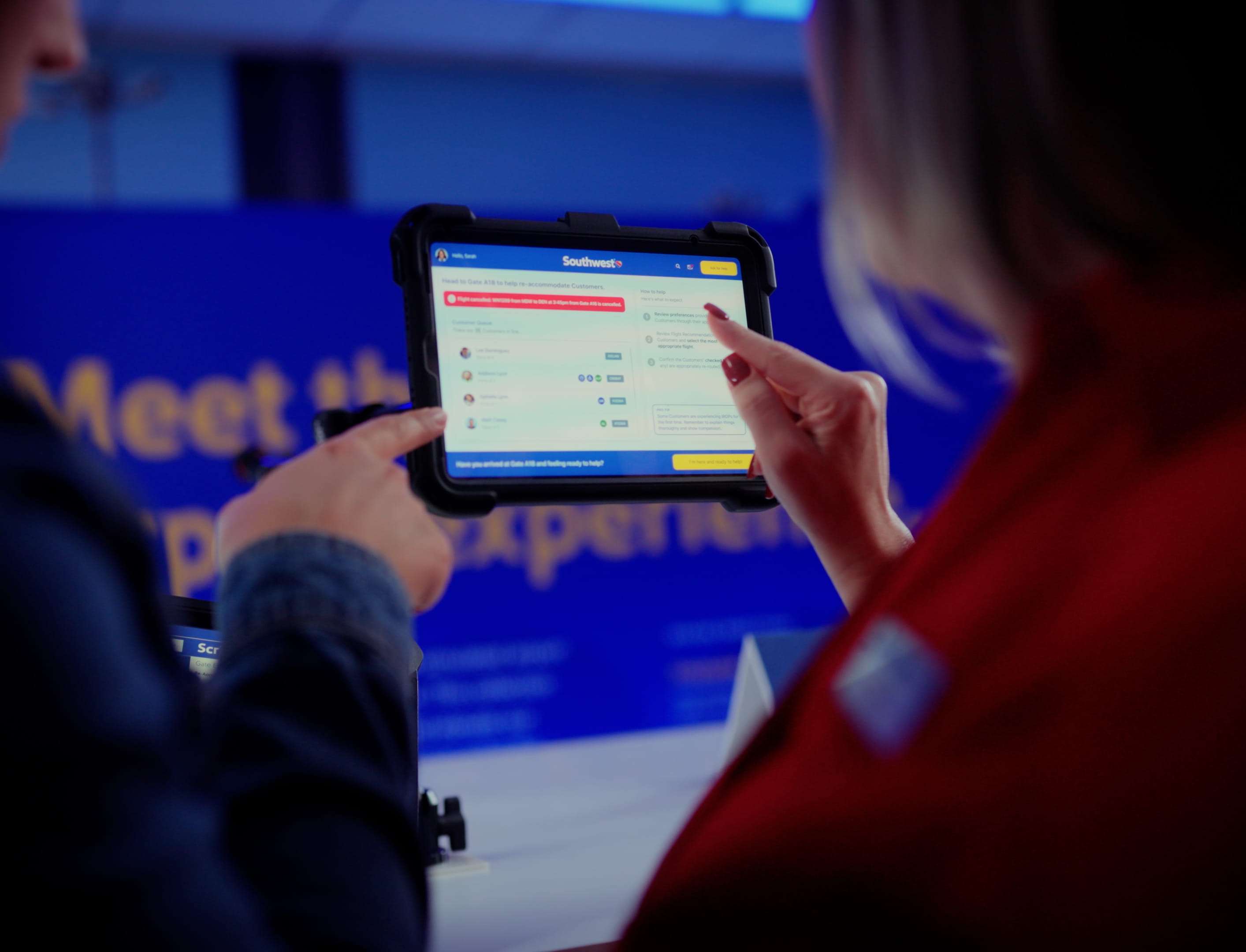
We didn't just test happy paths.We used the mockup to simulate mechanical delays and canceled flights to see how employees and customers interacted when things went sideways.
A Multi-Stakeholder Stage
We brought executives, frontline employees, and real customers through the space together.This allowed stakeholders to literally step into each other's shoes, holding the devices and dragging the bags they would use in the real world.
By slowing down to build these simulations, Southwest could speed up delivery—arriving at crisp requirements with higher confidence. The mockups created a realistic space to pressure-test changes across customers, employees, operations, safety, technology, and brand.
Efficiency and Delight
The process surfaced redundant employee tasks that could be eliminated or handed off to digital tools. This matched what customers wanted—more ability to self-serve—and freed employees to focus on hospitality that actually requires a human.
Strategic De-risking
The simulations let us kill bad ideas and refine requirements before capital was committed, saving potentially costly mistakes that would need to be fixed after software development or physical construction.
Winning Hearts and Minds
Unlike a deck or a journey map, the immersive mockup made the future tangible. Stakeholders could walk through it, evaluate it, and trust it—instead of being asked to imagine it.
Through these mockups, we didn't just help design a new kiosk or app; we created a repeatable model for innovation that continues to help Southwest define the future of LUV.
Other Tomorrows
Adam Tull
Alana Aamodt
Ludo Cestarelli
María Risueño
Kyle Wing
Pat Bitchell
Samyuktha Sam
Tim Radville
Southwest Airlines
Lisa Hingson
Thom Browne
Chris Parks
Alex Andreiu
Chloe Saunders
Courtney Stephenson
Cory Coons
Kris Holt
Matt Barkley
Ryan Lozano
Sierra Dugan
Whitney Thomas